
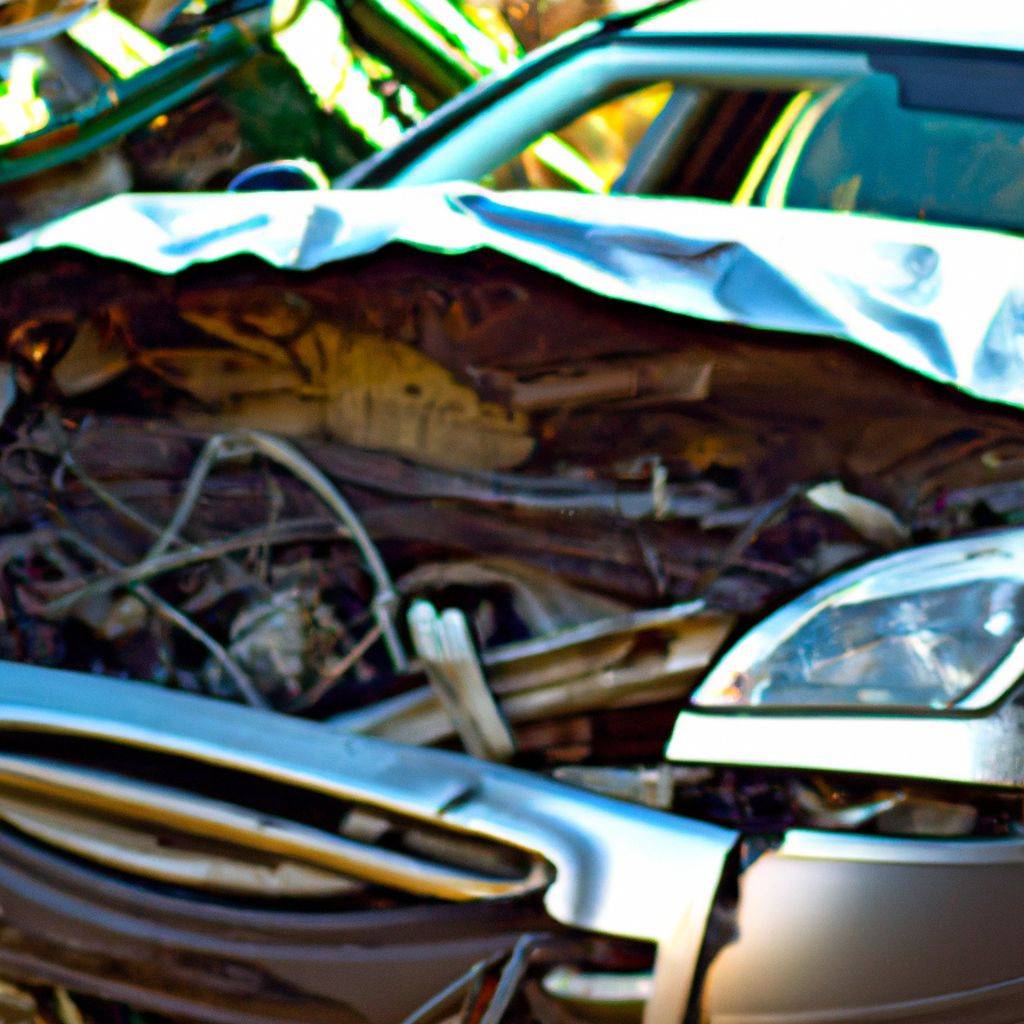
Key takeaways:
1. Understanding the value of a scrap car is important to make informed decisions when selling it.
2. Selling a scrap car has various benefits, such as freeing up space, getting rid of an unwanted vehicle, and potentially making some money.
3. Maximizing the value of a scrap car involves identifying valuable components, understanding the importance of scrap metals, and considering non-functional vehicles for potential value.
Understanding the value of your scrap car is crucial when it comes to selling it. In this introduction, we will explore the importance of getting the right value for your scrap car and the benefits that come with selling it. So, whether you’re looking to make some extra cash or simply get rid of an old vehicle, delving into the world of scrapping cars can be a smart decision. Let’s dive in and learn why knowing the value of your scrap car matters and the advantages you can reap from selling it.
Importance of understanding the value of a scrap car
Understanding the value of a scrap car is crucial for several reasons.
- It allows car owners to make informed decisions about whether to sell their vehicle or not. By knowing the value, they can determine if it is worth investing time and money into repairing or if it would be more profitable to sell it as scrap. Additionally, understanding the value enables car owners to negotiate better when selling their vehicle, ensuring they receive fair compensation for their asset. Therefore, having a clear comprehension of the value of a scrap car is essential in maximizing financial return and making well-informed choices.
- Furthermore, comprehending the value of a scrap car allows individuals to properly assess its potential benefits. Selling a scrap car can provide various advantages such as freeing up space on one’s property and eliminating any maintenance costs associated with keeping an old or non-functional vehicle. Moreover, by selling a scrap car, individuals contribute to environmentally friendly practices by recycling valuable materials and reducing waste. Therefore, understanding the value of a scrap car allows individuals to weigh these benefits against any sentimental attachments they may have towards their vehicle and make rational decisions based on its true worth.
When determining the value of a scrap car, certain factors need consideration. These include the age, make, model, and condition of the vehicle. Additionally, any salvageable components within the car can significantly impact its overall value. Understanding these factors helps determine an accurate estimate by taking into account both intrinsic and extrinsic elements that affect appraisal outcomes. Utilizing an instant value calculator further assists in providing an approximate figure for quick reference purposes.
To maximize the value of a scrap car even further, identifying and preserving valuable components is crucial. Certain parts such as rare or high-demand components can fetch higher prices when sold separately from the rest of the vehicle. Additionally, recognizing the importance of valuable metals found within the car’s structure can help increase its overall worth significantly. Lastly, considering non-functional vehicles as potential sources of valuable components can further maximize the value of a scrap car.
Selling a scrap car might make your wallet a little heavier, but it won’t make your conscience any lighter.
Benefits of selling a scrap car
Selling a scrap car can provide various benefits and opportunities. By selling a scrap car, you can not only free up space in your yard or garage but also earn some extra money. Additionally, selling a scrap car helps contribute to environmental sustainability by promoting the recycling and reuse of valuable components and metals.
- Receive financial compensation: When you sell a scrap car, you can receive monetary compensation for a vehicle that is no longer serving its intended purpose. This extra cash can be used towards purchasing a new vehicle or for other expenses.
- Clear up space: Scrap cars can take up valuable space in your living area or storage spaces. By selling the scrap car, you can create more room for other purposes.
- Promote environmental consciousness: Selling a scrap car encourages the recycling and reuse of valuable components and metals present in the vehicle. This contributes to reducing the demand for new raw materials and minimizes waste accumulation.
- Save on maintenance costs: Owning a non-functional or junk car still incurs maintenance costs even if it’s not being used. Selling it as scrap eliminates the need for continued upkeep.
- Contribute to the circular economy: Selling a scrap car promotes the concept of circular economy by ensuring that resources are kept within circulation rather than discarded into landfills or becoming wasted.
By considering these benefits, selling your scrap car becomes an attractive option from both financial and environmental perspectives.
It is important to note that selling your scrap car should be done through reputable junk car buyers or licensed metal recyclers to ensure a secure and fair transaction process.
Don’t miss out on the advantages of selling your scrap car today – clear up space, receive financial compensation, promote sustainability, save on maintenance costs, and contribute to the circular economy by responsibly disposing of your old vehicle.
How to determine the value of a scrap car
Determining the value of your scrap car can be a tricky task, but fear not, we’ve got you covered. In this section, we’ll explore the factors to consider when evaluating your scrap car’s worth. We’ll also introduce you to the convenience of using an instant value calculator to estimate its value effortlessly. So, let’s dive in and unlock the secrets to getting the most out of your scrap car!
Factors to consider when evaluating a scrap car
It is important to consider various factors when evaluating the value of a scrap car. These factors include:
- The condition of the vehicle
- The age and make/model
- The availability of valuable components
- The weight and type of scrap metals
- The market demand
- The location of sale
The overall condition of the scrap car plays a crucial role in determining its value. Factors such as mileage, mechanical issues, and body damage are taken into account. Additionally, the age and make/model of the scrap car also impact its value. Older vehicles or models that are less desirable may have lower value due to limited demand for their parts.
Identifying and assessing the presence of valuable components in the scrap car can significantly increase its worth. Components like engine parts, transmission systems, and electronics can be salvaged and sold separately. Moreover, the weight and type of scrap metals in the vehicle are also important factors. Metals like steel, aluminum, and copper have varying market values, with some being more valuable than others.
The current market demand for scrap cars greatly influences their value. Factors such as fluctuations in metal prices or changes in regulations can impact the demand and subsequently affect the value of a scrap car. Furthermore, the location where the car will be sold can also affect its value. Areas with higher demand for used car parts or a higher concentration of metal recyclers may offer better prices.
Considering these factors when evaluating a scrap car will contribute to accurately determining its worth. By thoroughly assessing its overall condition, including any mechanical issues or body damage, and considering the age, make/model, availability of valuable components, weight and type of scrap metals, market demand, and location where it will be sold, one can ensure they are getting the best possible price for their vehicle.
However, because each element has varying influences on value from case to case scenario, regular reassessment based on market conditions is recommended to maximize the return on investment when scrapping a car.
Using an instant value calculator to estimate the value
An instant value calculator is a valuable tool for estimating the worth of a scrap car. By inputting specific information about the vehicle, such as its make, model, age, and condition, the calculator can provide an approximate value based on current market trends and industry standards.
- Enter Vehicle Details: Provide the necessary information about the scrap car, including its make, model, year of manufacture, mileage, and overall condition. Be as accurate and detailed as possible to obtain a more precise estimate.
- Consider Additional Factors: The instant value calculator may also ask for additional details such as any modifications or upgrades made to the vehicle or if it has any rare or valuable components. Supplying this supplemental information can help improve the accuracy of the estimated value.
- Receive an Instant Valuation: Once all relevant information is entered into the instant value calculator, it will generate a quick estimate of the scrap car’s value based on prevailing market rates for similar vehicles in similar conditions.
Using an instant value calculator to estimate the value of a scrap car allows sellers to have a concrete idea of how much they can expect to receive when disposing of their vehicle. This ensures that they can make informed decisions about whether selling their scrap car is financially worthwhile or if there are other alternatives that may be more beneficial in terms of monetary gain.
Ways to maximize the value of a scrap car
When it comes to maximizing the value of a scrap car, there are a few key strategies to keep in mind. First, identifying and preserving valuable components can significantly increase the overall worth. Second, understanding the importance of scrap metals plays a crucial role in determining the value of the car. Lastly, considering non-functional vehicles for potential value is another avenue to explore. By implementing these tactics, you can ensure that you get the most out of scrapping your car.
Identifying and preserving valuable components
A table can be used to organize the valuable components found in a scrap car. This table can include columns such as “Component Name,” “Condition,” “Potential Value,” and “Preservation Technique.” The component names can range from parts like engines, transmissions, and catalytic converters to smaller items like alternators, starters, and radiators. Evaluating their condition is important to determine their potential value, as well as implementing preservation techniques to maintain their functionality.
Furthermore, several unique details should be considered when identifying and preserving valuable components in a scrap car. Some specific models or brands may have parts that are in high demand or rare, making them more valuable in the market. Additionally, vintage cars often have unique features or accessories that collectors may be interested in acquiring. Taking note of these factors can help increase the overall value of the scrap car.
To ensure you don’t miss out on valuable opportunities, it is essential to take proactive steps in identifying and preserving these components. By doing so, you can potentially increase your earnings when selling your scrap car. Don’t let valuable parts go unnoticed or get discarded – make sure to properly evaluate and preserve them for maximum financial gain.
Understanding the importance of scrap metals: Turning old cars into gold mines, one piece of rust at a time.
Understanding the importance of scrap metals
The recyclability of scrap metals plays a critical role in understanding their importance. Scrap metals, such as steel, aluminum, and copper, are valuable resources that can be reused and repurposed for various industries. By recycling these metals, we reduce the need for new metal mining and extraction, which has significant environmental benefits. Additionally, the demand for scrap metals continues to rise as industries recognize the economic advantages of using recycled materials. Understanding the importance of scrap metals is key to maximizing their value and contributing to a sustainable future.
When it comes to understanding the importance of scrap metals, it is necessary to consider their inherent properties. Metals like steel and aluminum have unique characteristics that make them highly sought after in manufacturing processes. For example, steel is known for its strength and durability, while aluminum is lightweight and corrosion-resistant. These properties make scrap metals valuable resources for industries that rely on these qualities in their products. By recognizing these attributes, individuals can better appreciate the significance of scrap metal recycling.
Furthermore, the global demand for recycled metals demonstrates their importance on a larger scale. As industries worldwide strive to reduce their carbon footprint and embrace sustainable practices, they are increasingly turning to recycled materials like scrap metals. The use of recycled metals not only conserves natural resources but also helps reduce energy consumption during production processes. This trend highlights the crucial role that understanding the value and importance of scrap metals plays in promoting environmentally friendly practices.
It is worth mentioning that some types of scrap metals hold more value than others due to market demand and pricing fluctuations. For example, copper has consistently been one of the most valuable scrap metals due to its high conductivity and diverse applications across multiple industries. On the other hand, less common or rarer types of scrap metals may also possess high worth if there is a specific demand for them in specialized sectors. Therefore, it is essential to stay informed about current market trends and prices when dealing with different types of scrap metals.
Understanding the importance of scrap metals is not merely about recognizing their material value but also acknowledging the environmental and economic benefits they bring. By recycling scrap metals, we reduce the need for unsustainable mining practices and contribute to the conservation of finite resources. Moreover, promoting the use of recycled metals helps create a circular economy where materials are reused instead of being discarded, leading to a more sustainable future for generations to come. Even non-functional vehicles can hold surprising value, proving that sometimes it’s what’s on the inside that really counts.
Considering non-functional vehicles for potential value
Non-functional vehicles can still hold potential value, despite their inability to operate. When considering non-functional vehicles for potential value, it is important to look beyond their lack of functionality and focus on the valuable components that can be salvaged or recycled. These components may include parts such as engines, transmissions, and electronics, which can still have substantial worth.
In addition to valuable components, non-functional vehicles also contain scrap metals that hold significant value. Metals such as steel, aluminum, and copper can be extracted from these vehicles during the scrapping process and sold to metal recyclers for a profit. Understanding the importance of these scrap metals can help in assessing the overall value of a non-functional vehicle.
Furthermore, it is essential to consider that even completely non-functional vehicles have potential value. They can still be used for parts by other car owners or enthusiasts who are searching for specific components. Additionally, certain non-functional vehicles may hold historical or rare value, making them desirable to collectors.
To make the most out of non-functional vehicles, it is recommended to identify and preserve any valuable components before scrapping the car. This involves carefully inspecting the vehicle for any parts that are in good condition and removing them if necessary. Selling these individual components separately rather than selling the entire vehicle as scrap can often result in higher financial returns.
Scrap car hunting: Finding the perfect place to ditch your ride and make some dough.
Places to scrap a car
Looking to scrap your car? In this section, we’ll explore the best places to do so. Discover the benefits of working with a reputable junk car buyer and the advantages of choosing a licensed metal recycler. Whether you’re after top dollar for your vehicle or looking to make an eco-friendly choice, we’ve got you covered. Find out where to turn your old car into cash in no time!
Choosing a reputable junk car buyer
-
When choosing a reputable junk car buyer, it is essential to be cautious of scams or fraudulent practices. Researching the company’s credentials and verifying their license or certifications can help ensure that you are dealing with a legitimate buyer.
-
A reputable junk car buyer should have a good reputation in the industry. Look for reviews and feedback from previous customers to ensure that they have a track record of providing fair prices and excellent customer service.
-
It is also important to choose a buyer who offers competitive prices for your scrap car. Compare quotes from different buyers to determine who can offer you the highest value for your vehicle.
-
Additionally, consider working with a junk car buyer who provides convenient services such as free towing or pick-up of your vehicle. This can save you time and hassle during the selling process.
Remember, selecting the right buyer can significantly impact the amount of money you receive for your scrap car, so take the time to find a reputable and trustworthy option.
The benefits of working with a licensed metal recycler
With a licensed metal recycler, individuals can enjoy the benefits of working with a professional and reputable company, ensuring a smooth and reliable transaction. The expertise and experience of licensed metal recyclers enable them to handle scrap cars efficiently and safely. By adhering to legal requirements and regulations, these recyclers ensure the proper disposal of any hazardous materials found in the vehicle.
One of the advantages of working with a licensed metal recycler is professionalism. These recyclers guarantee professionalism in every aspect of the transaction, providing a high level of service. Additionally, licensed metal recyclers possess the expertise to properly evaluate and accurately assess the value of a scrap car. This knowledge and skill ensure that individuals get a fair and competitive price for their vehicle.
Choosing a licensed metal recycler also brings efficiency to the process. With streamlined procedures, individuals can expect a hassle-free experience that maximizes convenience. The recycler takes care of all the necessary paperwork and arrangements, minimizing the effort required on the part of the customer.
Another important aspect is safety. Licensed metal recyclers prioritize safety by handling hazardous materials in accordance with regulations and industry best practices. This ensures that any potential risks associated with the disposal of hazardous materials are properly managed.
Moreover, scrapping a car with a licensed metal recycler contributes to eco-friendly practices. These recyclers are committed to proper disposal and recycling of scrap materials, minimizing their environmental impact. By choosing a licensed recycler, individuals are actively participating in environmentally friendly initiatives.
Furthermore, working with a licensed metal recycler ensures compliance with legal requirements for scrapping a car. These recyclers have in-depth knowledge of current legislation regarding vehicle disposal, so all necessary paperwork is completed correctly according to local laws. This helps individuals avoid potential penalties or complications that may arise from non-compliance.
In conclusion, engaging with a licensed metal recycler offers numerous benefits such as professionalism, expertise, efficiency, safety, eco-friendliness, and compliance with legal requirements. It is essential to choose such recyclers for a hassle-free experience while maximizing the value obtained from scrapping an old car down to its individual components. Scrapping a car with a licensed metal recycler is not only a legal way to dispose of a vehicle but also a way to turn it into cash while contributing to environmentally friendly practices.
The process of scrapping a car
Scrapping a car involves several steps that need to be followed, along with understanding the legal requirements for such a process. From assessing the value of your car to finding a licensed scrapyard, each step plays a crucial role. It’s important to be aware of the legal regulations surrounding car scrapping to ensure a smooth and lawful process. Embracing these necessary steps and legal requirements will not only help in disposing of your car responsibly but also potentially gain some financial benefit.
Steps involved in scrapping a car
Scrapping a car involves several steps that must be followed to ensure a smooth and efficient process. The first step in scrapping a car is to prepare it for removal. This involves removing any personal belongings from the vehicle and gathering all necessary documents such as the title and registration. It is important to ensure that no valuable items are left behind, as these can easily be overlooked during the scrapping process.
Once the car has been prepared, the next step is to evaluate its condition and identify any valuable components. This can include items such as tires, batteries, catalytic converters, or electronic systems that may still have market value. These components can be removed and sold separately before scrapping the rest of the car.
After evaluating the value of any salvageable components, the final step in scrapping a car is to arrange for its removal. This can be done by contacting a reputable junk car buyer who specializes in scrap cars or working with a licensed metal recycler. These professionals will properly dispose of the remaining materials in an environmentally-friendly manner.
Understanding the legal requirements for scrapping a car
Scrapping a car involves complying with legal requirements to ensure a smooth and lawful process. Understanding the legal requirements for scrapping a car is crucial to avoid any potential issues or penalties.
- Proper documentation: Before scrapping a car, it is essential to gather and maintain all necessary documents, including the vehicle’s title, registration, and identification. These documents are required by law to prove ownership and enable the legitimate transfer of ownership.
- Notification to relevant authorities: Depending on your location, you may need to inform local authorities about your intention to scrap the car. This step helps prevent any confusion or legal complications in the future.
- Removal of license plates: It is often a legal requirement to remove license plates from the vehicle before scrapping it. This ensures that the plates cannot be used fraudulently or linked back to you once the car has been scrapped.
- Environmental regulations: Scrapping a car involves disposing of hazardous materials responsibly. It is important to follow environmental regulations by draining fluids, removing batteries, and properly recycling or disposing of them in accordance with local laws.
- Cancellation of insurance: Contacting your insurance provider to cancel coverage for the scrapped vehicle is another vital aspect of understanding legal requirements. This prevents any unnecessary premium payments and ensures compliance with insurance regulations.
- Deregistration with transportation authorities: In some jurisdictions, it may be necessary to deregister the scrapped car with the transportation authorities. This formal step further solidifies the transfer of ownership and ensures compliance with regional regulations.
While these points cover most aspects related to understanding the legal requirements for scrapping a car, it is crucial to check specific regulations and guidelines applicable in your area. Consulting local authorities or professional scrap car buyers can provide more detailed information tailored to your specific location.
One such account comes from Tom J., who decided to scrap his old vehicle. After understanding the legal requirements, he diligently gathered the necessary documentation and promptly informed the relevant local authorities. He followed all environmental regulations by properly draining fluids and recycling hazardous materials. Tom’s attention to detail ensured a smooth and lawful scrapping process, allowing him to dispose of his car responsibly while avoiding any legal complications.
Conclusion
Scraping your car can provide you with a worthwhile financial return. The amount you receive will depend on several factors, such as the age, make, and model of your vehicle. Additionally, the condition of your car and the current market demand for scrap metal also play a role in determining the value you can expect to receive. It’s important to consult with reputable scrap dealers to ensure you get the best deal for your car.
When considering scraping your car, it’s essential to understand that the value you receive will vary. Older vehicles tend to have a higher scrap value due to the amount of usable metal they contain. However, newer models may have additional parts that can be salvaged, increasing their overall worth. The state of your car, including any damages or missing components, can also impact the final offer. To get a more accurate estimate, you should contact multiple scrap dealers and compare their offers.
In addition to the factors mentioned above, the location of the scrap yard and current market conditions can influence the price you receive for your car. Scrap metal prices fluctuate regularly, so it’s beneficial to keep an eye on the market trends. Furthermore, it’s important to choose a reputable scrap dealer who pays fair prices and has a transparent process. By taking these factors into consideration, you can maximize the amount you receive when scrapping your car.
If you’re looking to scrap your car, don’t hesitate to act. The value of scrap metal can change quickly, and delaying the process may result in a decreased return. By reaching out to scrap dealers and obtaining multiple quotes, you can ensure you’re getting the best possible deal. Remember, time is of the essence, so take action today to make the most of your car’s scrap value.
Some Facts About “How Much Would I Get To Scrap My Car”:
- ✅ A scrap car is an old or damaged car that is processed by a licensed metal recycler. (Source: Team Research)
- ✅ The value of a scrap vehicle is based on the materials it is made of. (Source: Team Research)
- ✅ The value of a scrap car is usually calculated based on its weight, with mid-size cars ranging from $150 to $300 and smaller vehicles as low as $100. (Source: Team Research)
- ✅ Selling a car for parts can yield more money than scrapping it. (Source: Team Research)
- ✅ Factors that can affect the scrap value of a car include its make and model, location, and age. (Source: Team Research)
FAQs about How Much Would I Get To Scrap My Car
How much would I get to scrap my car?
The scrap value of your car is determined by factors such as its weight, condition, location, and the current market prices for scrap metal. It can also vary based on the materials your car is made of, including steel, aluminum, copper, brass, and precious metals like Platinum, Palladium, and Rhodium. Using a scrap car value calculator can provide you with an estimate of your car’s value. On average, mid-size cars can range from $150 to $300, while smaller vehicles can be as low as $100. However, these prices are just general estimates and may vary based on various factors.
Can I get more money by selling my car privately instead of scrapping it?
Selling your car privately or online can often result in more money compared to selling it to a scrap yard. This is especially true if your car is in decent condition and still functional. Many buyers are interested in purchasing used cars for parts or to repair and resell. However, if your car has significant mechanical damage or is non-functional, scrapping it may be the better option.
What factors affect the scrap value of a car?
Several factors can affect the scrap value of a car, including its make and model, location, age, condition, weight, and current market conditions for scrap metal. Older cars with high mileage, body damage, or significant mechanical issues are typically valued lower. Additionally, the type of materials your car contains, such as precious metals or non-ferrous metals, can influence its scrap value.
Are the prices provided in the guide for scrap car value accurate?
The prices provided in the guide are general estimates and may vary based on location, condition, weight, and market conditions. It’s always recommended to use a scrap car value calculator or consult with local scrap yards, mechanics, or online services to get a more accurate estimate based on your specific circumstances.
Is it better to sell a car for parts or scrap it?
If your car is still in decent condition and has valuable parts, selling it for parts can potentially yield more money than scrapping it. You can try selling individual parts privately or online. Once you have sold the usable parts, you can then consider scrapping the remaining shell for scrap metal.
Where can I scrap my car?
You have various options to scrap your car. Scrap yards, mechanic shops, and online services like JunkCarMasters are common places where you can sell your car for scrap. These services typically provide a streamlined process, including providing vehicle details, receiving an offer, accepting it, and getting paid within 24-48 hours. Many of these services also offer free towing.