
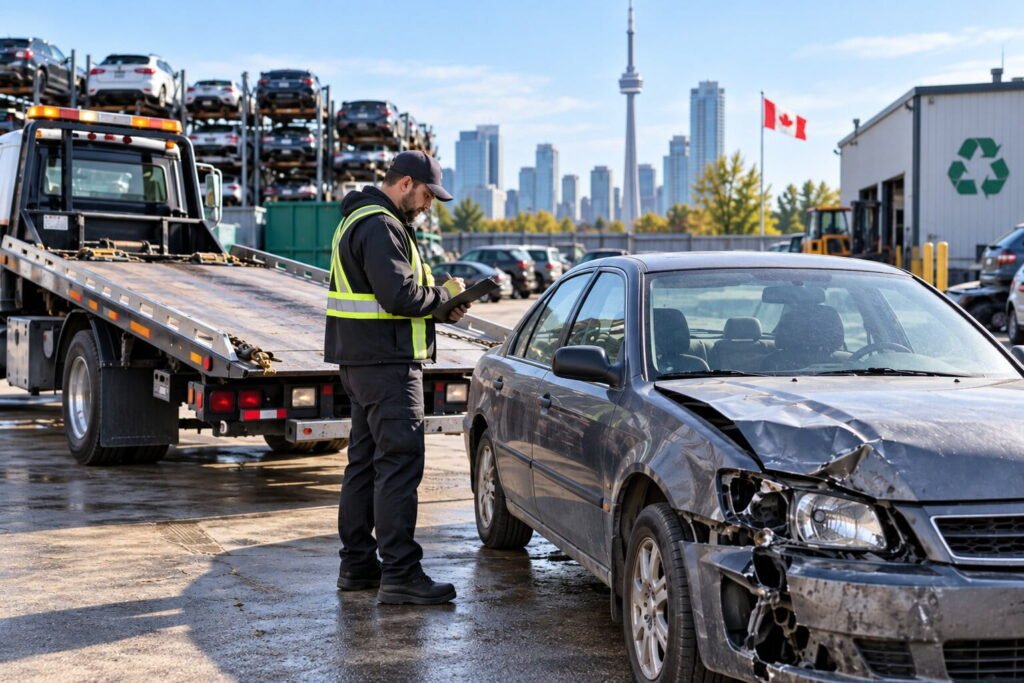
That old vehicle sitting in your driveway, garage, or parking space may look like nothing more than a problem, but it can still have real value. Many Toronto residents keep damaged, unwanted, or non-running cars for months because they are unsure who actually pays the most for scrap vehicles or how the selling process works.
When people search for companies that buy scrap cars for top dollar, they are usually looking for more than just a quick removal service. They want a fair price, a trustworthy buyer, simple paperwork, and a convenient way to get rid of a vehicle that is no longer useful.
The challenge is that not every scrap car buyer calculates vehicle value in the same way. Some companies focus mainly on the weight of the metal, while others consider reusable parts, vehicle condition, demand for components, and recycling value before making an offer. Understanding these differences can help you avoid accepting a low offer and make a smarter decision.
In Toronto, scrap car buyers typically purchase many types of unwanted vehicles, including old cars, accident-damaged vehicles, vehicles that fail safety inspections, high-mileage cars, and cars that are too expensive to repair. Professional buyers often handle towing, paperwork, dismantling, and recycling, making the process easier for vehicle owners.
This guide explains what companies buy scrap cars for top dollar, how they determine prices, what affects your vehicle’s value, how to compare offers, and how to choose the right scrap car buyer in Toronto.
By understanding the process before selling, you can turn an unwanted vehicle into cash while making sure it is handled responsibly.
Key Takeaways
- Scrap car companies buy vehicles based on metal value, reusable parts, condition, and market demand.
- A vehicle that seems worthless may still have value through engines, transmissions, catalytic converters, electronics, and recyclable materials.
- Comparing multiple offers can help you receive a better price.
- Free towing and transparent pricing are important factors when choosing a buyer.
- Preparing your vehicle before pickup can make the selling process smoother.
- Professional recycling companies help ensure old vehicles are disposed of responsibly.
What Types of Companies Buy Scrap Cars?
Many different types of businesses purchase scrap cars, but they do not all operate the same way. The best option depends on your vehicle’s condition, age, and potential value.
Understanding who buys scrap cars can help you choose the right buyer instead of automatically accepting the first offer.
Scrap Car Removal Companies
Scrap car removal companies specialize in purchasing unwanted vehicles and arranging pickup from homes, workplaces, and storage locations.
These companies usually handle the complete process:
- Vehicle evaluation
- Price quotation
- Towing arrangement
- Paperwork assistance
- Vehicle recycling or dismantling
For many owners, this is the easiest option because they do not need to transport a damaged vehicle themselves.
A professional scrap car removal company usually evaluates more than just the vehicle’s metal weight. They may consider whether the vehicle has reusable components or parts that can be recovered.
Auto Recycling Companies
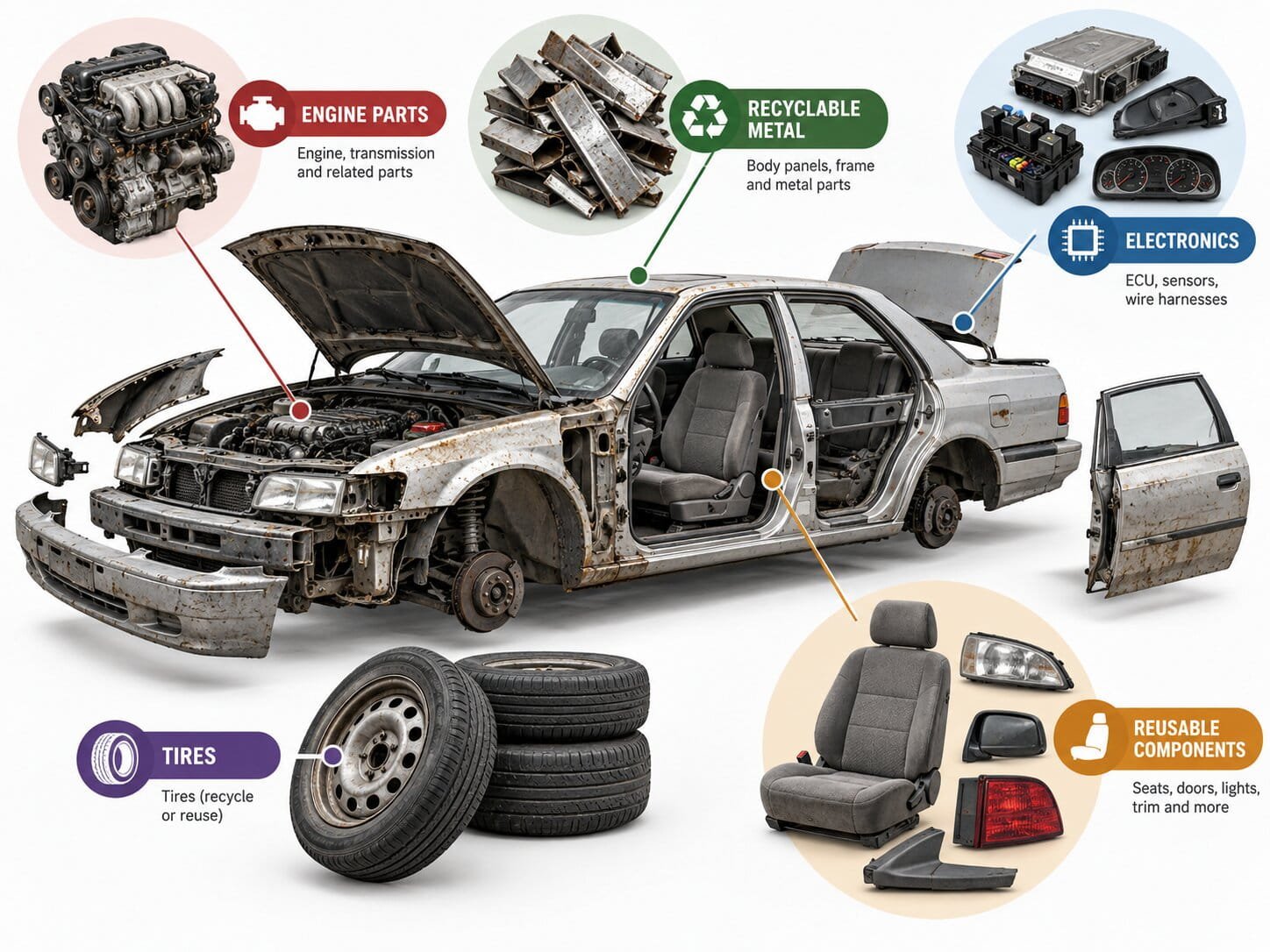
Auto recycling companies purchase end-of-life vehicles because cars contain valuable materials that can be processed and reused.
A typical vehicle contains:
- Steel
- Aluminum
- Copper wiring
- Glass
- Rubber
- Plastic components
- Mechanical parts
After receiving a scrap vehicle, recyclers remove hazardous materials, recover usable components, and process recyclable materials.
This approach allows old vehicles to continue creating value even after they are no longer suitable for driving.
Junkyards and Salvage Yards
Junkyards and salvage yards often buy damaged or unwanted vehicles because they can recover valuable parts.
A vehicle that cannot be repaired may still contain:
- Working engine parts
- Transmission components
- Wheels and tires
- Body panels
- Interior components
- Electrical systems
Some salvage buyers may offer more than basic scrap value if your vehicle has desirable parts.
However, prices can vary significantly depending on the buyer’s business model and current demand.
Used Car Buyers
Not every old vehicle should immediately go to scrap.
Some companies buy unwanted vehicles that can still be repaired, resold, or exported. If your car runs, has a clean title, or has valuable features, selling it as a used vehicle may provide a higher return than scrapping it.
A common mistake is assuming every old vehicle is only worth scrap metal.
Before accepting a scrap offer, consider whether the vehicle still has resale potential.
How Do Companies Determine Scrap Car Value?
The biggest question most sellers have is:
“How much money can I get for my scrap car?”
The answer depends on several factors. There is no single fixed price because every vehicle has a different combination of weight, condition, parts value, and market demand.
Companies that buy scrap cars for top dollar usually analyze multiple factors before providing an offer.
Vehicle Make, Model, and Year
The make and model of your vehicle can significantly influence its value.
Some vehicles have stronger demand because:
- Replacement parts are expensive
- Certain components are reusable
- The vehicle contains valuable materials
- Buyers need specific parts for repairs
For example, a newer damaged vehicle may have more value through reusable parts compared with an older vehicle that only has metal value.
The year also matters because newer vehicles often contain more advanced technology, electronics, and components that may have resale value.
Vehicle Condition
The condition of your vehicle plays a major role in pricing.
Companies typically consider:
- Does the vehicle start?
- Does it move?
- Is the engine working?
- Is the transmission usable?
- Is the body severely damaged?
- Are important parts missing?
A vehicle with working components may receive a higher offer than a completely stripped vehicle.
Even cars with major damage can still have value because many parts can be recovered.
Current Scrap Metal Prices
Metal prices influence how much recyclers are willing to pay.
Vehicles contain large amounts of recyclable metals, especially steel and aluminum. When demand for recycled metals increases, scrap vehicle values may also increase.
However, metal prices change over time, meaning scrap car offers can vary depending on current market conditions.
Weight of the Vehicle
The size and weight of a vehicle can affect its basic scrap value.
Larger vehicles often contain more recyclable material.
Examples include:
- Trucks
- SUVs
- Vans
However, weight alone does not determine the final price. A smaller vehicle with valuable reusable parts may sometimes be worth more than a heavier vehicle with fewer usable components.
Location and Transportation Costs
Your vehicle’s location can influence the final offer.
Companies consider:
- Distance for pickup
- Towing requirements
- Accessibility
- Local recycling costs
For Toronto sellers, choosing a local buyer can often make the process easier because transportation costs are lower and pickup scheduling is more convenient.
What Makes a Company Pay Top Dollar for Scrap Cars?
Not every scrap car buyer will offer the same amount for your vehicle. Companies that pay higher prices usually have better systems for recovering value from unwanted cars.
A buyer who only considers the vehicle as a pile of metal may offer less than a company that evaluates the entire vehicle, including reusable parts and recyclable materials.
When looking for companies that buy scrap cars for top dollar, focus on buyers who consider multiple value factors instead of only the scrap metal weight.
They Evaluate More Than Just Scrap Metal
A common misunderstanding is that scrap cars are only valuable because of their metal content. While steel and aluminum contribute significantly to a vehicle’s value, many other components can increase the final offer.
Professional recyclers and salvage buyers often look at:
- Engine condition
- Transmission value
- Catalytic converter presence
- Battery condition
- Wheels and tires
- Electronics
- Interior components
- Body panels
- Vehicle demand
For example, a damaged vehicle with a working engine may have more value than a heavier vehicle with missing components.
A company with experience in vehicle recycling can identify these additional sources of value and create a more accurate offer.
They Have Their Own Recycling or Salvage Network
The business model of a scrap car company affects how much they can pay.
Some buyers operate as middlemen. They purchase vehicles from owners and sell them to recycling facilities or salvage yards. Because they need to make their own profit, their offers may be lower.
Companies with direct access to recycling facilities, dismantling operations, or parts markets may have more flexibility when pricing vehicles.
A direct buyer can often recover more value from the same vehicle because fewer parties are involved.
They Monitor Market Conditions
Vehicle recycling prices change based on market conditions.
Factors that can influence prices include:
- Scrap metal demand
- Steel and aluminum prices
- Parts demand
- Seasonal market changes
- Vehicle supply
A company offering top dollar usually adjusts its pricing based on current market conditions rather than using outdated pricing models.
They Offer Transparent Quotes
A trustworthy scrap car buyer should explain how the offer was calculated.
Good buyers usually ask for details such as:
- Vehicle make and model
- Year
- Current condition
- Location
- Whether it runs
- Missing parts
- Damage level
A buyer who provides a clear explanation creates more confidence than someone who gives an unrealistic number and changes the offer later.
They Include Free Vehicle Removal
Towing costs can reduce the amount of money you actually receive.
Many professional Toronto scrap car buyers include vehicle pickup as part of their service. Free towing is especially important for vehicles that cannot move because arranging private transportation can be expensive.
When comparing offers, always ask:
- Is towing included?
- Are there hidden fees?
- Will the quoted amount change at pickup?
The highest advertised price is not always the best deal if additional charges are deducted later.
Scrap Car Value vs Junk Car Value: What Is the Difference?
People often use the terms “scrap car” and “junk car” interchangeably, but there can be differences between the two.
Understanding these differences can help you decide where to sell your vehicle.
What Is a Scrap Car?
A scrap car is usually a vehicle that has reached the end of its useful life.
Common examples include:
- Vehicles with severe rust
- Cars that fail major repairs
- Very old vehicles
- Vehicles damaged beyond economical repair
- Cars with little resale potential
The main value comes from:
- Recyclable metals
- Remaining components
- Recoverable materials
What Is a Junk Car?
A junk car may still have usable value but is unwanted by the owner.
Examples include:
- An old vehicle that still runs
- A car sitting unused for years
- A vehicle needing expensive repairs
- A damaged vehicle someone no longer wants
Some junk cars may be worth more than basic scrap value because they contain reusable parts.
Why the Difference Matters
Before selling, consider whether your vehicle should be:
- Repaired
- Sold privately
- Sold to a used vehicle buyer
- Sold to a salvage company
- Recycled as scrap
Choosing the wrong option can mean losing potential value.
A vehicle that appears worthless may still contain valuable components.
Which Vehicles Do Scrap Car Companies Buy?
Professional scrap car companies generally purchase a wide range of vehicles. The condition of the vehicle usually matters more than whether it is currently driveable.
Many Toronto buyers accept vehicles such as:
Old Cars
Older vehicles are commonly sold for scrap because repair costs often exceed the vehicle’s market value.
Common reasons owners sell old cars include:
- Frequent mechanical problems
- Expensive repairs
- Poor fuel efficiency
- Lack of replacement parts
Even older vehicles can have value through metal recycling and parts recovery.
Accident-Damaged Vehicles
A vehicle involved in an accident may no longer be worth repairing.
However, accident cars can still contain valuable:
- Engines
- Transmissions
- Airbags
- Electronics
- Wheels
- Mechanical parts
Salvage companies often evaluate accident vehicles differently from basic scrap buyers because damaged cars may contain reusable components.
Non-Running Vehicles
A car does not need to start to have value.
Companies often purchase vehicles with:
- Dead batteries
- Engine failure
- Transmission problems
- Electrical issues
- Long periods of storage
Non-running vehicles are common in the scrap market because owners want to remove vehicles that are taking up space.
Flood-Damaged Vehicles
Flood damage can create serious problems for vehicles, especially electrical and mechanical issues.
Many insurance write-offs and flood vehicles are sold to recyclers because repairing them may not be practical.
Special handling may be required because vehicles can contain contaminated fluids or damaged electrical systems.
Insurance Write-Off Vehicles
Insurance companies sometimes classify vehicles as total losses after accidents.
These vehicles may still have significant value because:
- Parts can be reused
- Components can be recovered
- Materials can be recycled
Some salvage buyers specialize in damaged and insurance vehicles.
How to Compare Companies That Buy Scrap Cars for Top Dollar
Choosing the right buyer is one of the most important steps in getting a fair price.
Many sellers make decisions based only on the first offer they receive. However, spending a little time comparing buyers can often lead to a better outcome.
Get Multiple Quotes
The easiest way to know if you are receiving a fair offer is to compare prices.
Contact several buyers and provide the same vehicle information.
Compare:
- Offered price
- Pickup availability
- Payment method
- Customer service
- Additional fees
A company that offers slightly less but provides better service may not always be the best option. Look at the complete deal.
Check Buyer Reputation
Before selling your vehicle, research the company.
Look for:
- Clear business information
- Professional communication
- Transparent process
- Customer feedback
- Proper licensing where applicable
A reputable buyer should make the process simple and explain what happens after pickup.
Avoid Unrealistic Offers
Extremely high offers should be treated carefully.
Some companies advertise very high prices but reduce the offer after inspecting the vehicle.
Warning signs include:
- No questions about vehicle condition
- Pressure to accept immediately
- Hidden towing fees
- Changing prices at pickup
A reliable buyer should provide a realistic estimate based on your vehicle details.
Ask About Payment
Before agreeing to sell, confirm:
- How payment is provided
- When payment happens
- Whether the agreed amount is guaranteed
Clear payment terms prevent misunderstandings.
Step-by-Step Process to Sell a Scrap Car in Toronto
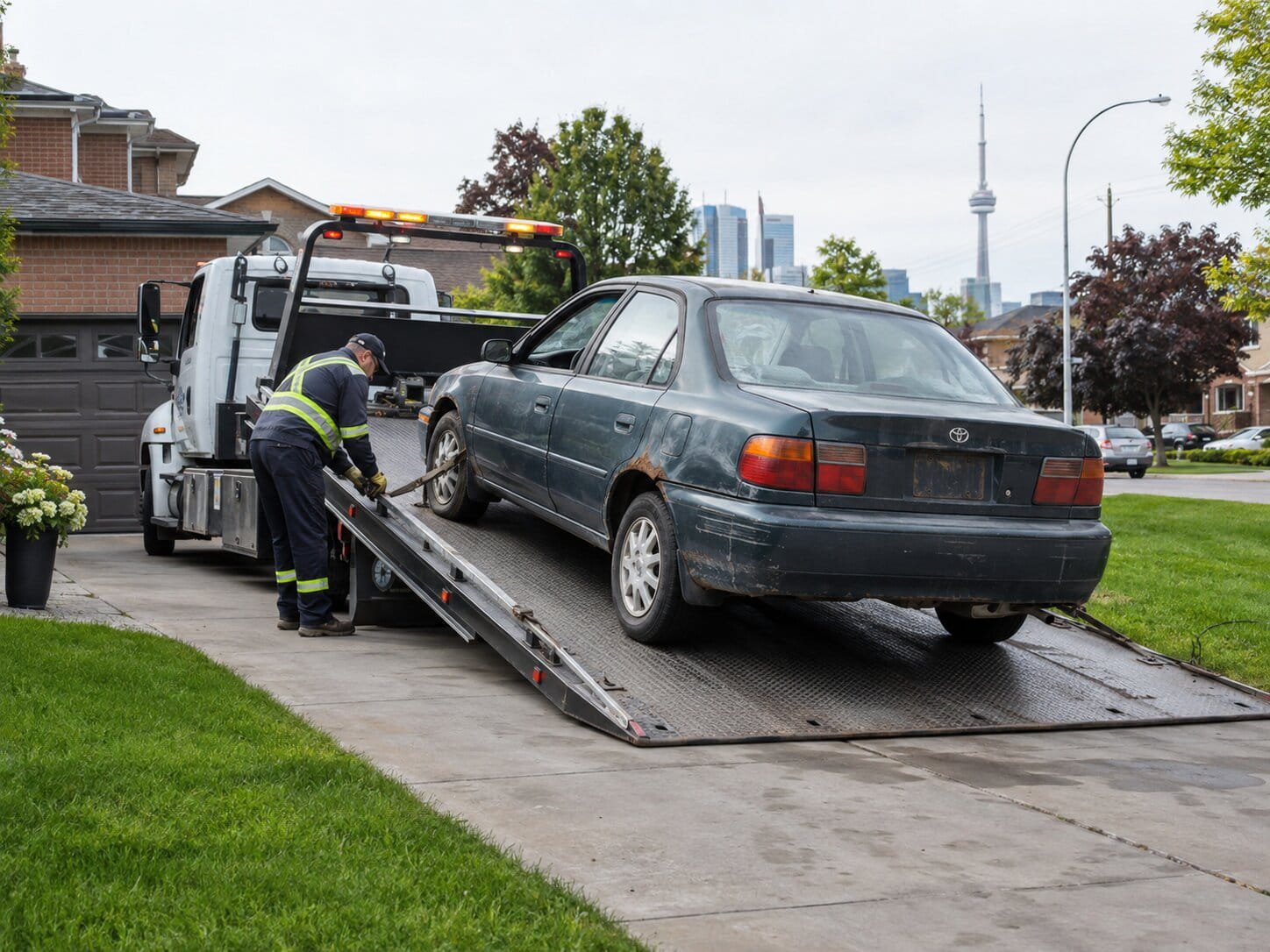
Selling a scrap car does not have to be complicated. Many vehicle owners delay the process because they assume it requires extensive paperwork, expensive towing, or complicated negotiations.
A professional scrap car buyer usually handles most of the process from evaluation to vehicle removal. However, understanding each step helps you avoid problems and make sure you receive a fair price.
Step 1: Collect Basic Vehicle Information
Before contacting companies that buy scrap cars for top dollar, gather important details about your vehicle.
Most buyers will ask for:
- Vehicle make and model
- Manufacturing year
- Current mileage
- Vehicle condition
- Location
- Whether the vehicle runs
- Major damage details
- Missing parts
Providing accurate information helps companies create a more realistic quote.
If you hide important problems, such as a missing catalytic converter or major damage, the final offer may change after inspection.
Honest details usually lead to a smoother transaction.
Step 2: Request Quotes From Multiple Buyers
After collecting your vehicle information, contact several scrap car companies.
A professional quote process usually involves:
- Sharing vehicle details
- Answering condition questions
- Receiving an estimated price
- Comparing different offers
Do not focus only on the highest number. Consider the entire service package.
A good offer should include:
- Fair vehicle valuation
- Free or affordable towing
- Simple paperwork
- Reliable pickup scheduling
- Fast payment
The goal is not just to find the highest number but to find the best overall deal.
Step 3: Confirm the Final Offer
Before agreeing to sell, confirm all details with the buyer.
Ask questions such as:
- Is the quoted price final?
- Are there any towing charges?
- Are there additional fees?
- What documents are required?
- When will payment be made?
A trustworthy company should clearly explain the process before arranging pickup.
Avoid companies that refuse to provide details or give unclear answers.
Step 4: Prepare Required Documents
The exact paperwork required may vary depending on your situation, but vehicle sellers generally need proof that they own the vehicle.
Common documents may include:
- Vehicle ownership documents
- Government-issued identification
- License plates information
- Insurance cancellation details
Having paperwork ready can speed up the selling process.
If you are unsure about specific requirements, ask the buyer before scheduling pickup.
Step 5: Remove Personal Items From the Vehicle
Before your scrap car is collected, inspect the entire vehicle.
People often forget important items inside old vehicles.
Check:
- Glove compartment
- Centre console
- Door pockets
- Trunk
- Under seats
- Storage compartments
Remove:
- Personal documents
- Sunglasses
- Electronic devices
- Tools
- Important paperwork
- Garage door openers
Once the vehicle leaves, recovering forgotten items may not be possible.
Step 6: Schedule Vehicle Pickup
Most scrap car buyers arrange towing after accepting the offer.
During scheduling, confirm:
- Pickup date
- Pickup location
- Access requirements
- Contact details
If the vehicle is parked in a difficult location, inform the company beforehand.
Examples:
- Underground parking
- Locked areas
- Narrow driveways
- Vehicles without wheels
This allows the towing team to prepare the correct equipment.
Step 7: Complete the Sale and Receive Payment
When the vehicle is collected, the buyer normally completes the final paperwork and payment process.
Before handing over the vehicle:
- Confirm the agreed price
- Review documents
- Keep copies of important paperwork
- Confirm ownership transfer steps
A professional buyer should make this final stage straightforward.
What Documents Do You Need to Sell a Scrap Car?
Many vehicle owners worry that selling an old car requires complicated paperwork. In most cases, the process is simpler than selling a regular used vehicle.
The required documents depend on your location and vehicle situation.
Vehicle Ownership Information
Proof of ownership is important because legitimate buyers need confirmation that the seller has the right to dispose of the vehicle.
Ownership documents help prevent issues related to:
- Stolen vehicles
- Ownership disputes
- Incorrect transfers
Identification
A buyer may request identification to verify the seller’s information.
This helps ensure the transaction is completed properly.
License Plates
In many situations, sellers may need to handle license plates separately after the vehicle sale.
Always confirm the correct process based on your local requirements.
Insurance Information
After selling a scrap vehicle, many owners cancel insurance coverage.
Keeping records of the sale can help when updating insurance information.
How to Prepare Your Scrap Car Before Pickup
Preparing your vehicle before pickup can make the process faster and prevent unnecessary problems.
A few simple steps can help.
Remove Valuable Personal Items
Before the tow truck arrives:
- Empty the vehicle
- Remove important belongings
- Check hidden storage areas
This is one of the most commonly forgotten steps.
Keep Important Vehicle Parts Intact
Some owners remove parts before selling their vehicles, but this can affect value.
Removing components such as:
- Catalytic converter
- Wheels
- Battery
- Electronics
may reduce the buyer’s offer because these parts contribute to vehicle value.
Unless you know exactly what you are doing, it is usually better to sell the complete vehicle.
Make the Vehicle Accessible
Ensure the towing team can easily reach the vehicle.
Helpful steps include:
- Moving obstacles
- Unlocking gates
- Clearing driveway space
- Informing building management if needed
Good access can prevent delays.
Gather Keys
Even if a vehicle does not run, having the keys available can make the removal process easier.
If keys are missing, tell the buyer before pickup.
Common Mistakes That Reduce Scrap Car Value
Many sellers lose money because they make avoidable mistakes.
Understanding these mistakes can help you protect your vehicle’s value.
Accepting the First Offer
The first company you contact may not provide the best price.
Different buyers have different pricing methods, so getting multiple quotes is usually a smart approach.
A few phone calls can sometimes create a noticeable difference in the final payout.
Not Providing Accurate Information
Some sellers provide incomplete vehicle details because they want a higher initial quote.
However, this often creates problems later.
Examples:
- Not mentioning major damage
- Hiding missing parts
- Incorrect vehicle condition information
A realistic quote is more valuable than an unrealistic estimate that changes later.
Choosing Only Based on Price
The highest offer is not always the best choice.
Consider:
- Company reputation
- Pickup reliability
- Payment process
- Customer service
A slightly lower but guaranteed offer may be better than a higher offer with hidden conditions.
Paying for Towing Without Checking Options
Some sellers arrange their own transportation without asking whether free pickup is available.
Many professional scrap buyers provide removal services, especially for local vehicles.
Always ask about towing before accepting an offer.
Waiting Too Long
Keeping an unwanted vehicle for years may create additional problems.
Long-term storage can lead to:
- More rust
- Additional damage
- Loss of parts
- Reduced value
If you already know the vehicle is no longer useful, delaying the decision may reduce its potential value.
Environmental Benefits of Scrap Car Recycling

Selling an unwanted vehicle to a professional scrap car company is not only a way to earn money. It also supports responsible recycling and reduces the environmental impact of abandoned or unused vehicles.
Old vehicles contain many materials that can be recovered and reused instead of being sent directly to landfills.
When companies properly recycle scrap cars, they help reduce waste, conserve natural resources, and support a more sustainable automotive industry.
Reduces Metal Waste
Vehicles contain large amounts of recyclable metals, including:
- Steel
- Aluminum
- Copper
- Iron
Instead of producing new metals from raw materials, recycling allows manufacturers to reuse existing materials.
This reduces the need for additional mining activities and helps conserve natural resources.
A scrap car that appears useless can still provide valuable materials for future manufacturing.
Prevents Harmful Materials From Entering the Environment
Old vehicles contain fluids and components that require proper handling.
Examples include:
- Engine oil
- Coolant
- Brake fluid
- Transmission fluid
- Battery chemicals
If abandoned vehicles are left outdoors for long periods, these materials can leak into soil and water.
Professional recycling facilities follow processes to safely remove and dispose of hazardous materials.
Supports Parts Reuse
Vehicle recycling is not only about crushing cars for metal.
Many components can be reused or refurbished, including:
- Engines
- Transmissions
- Alternators
- Starters
- Mirrors
- Body panels
- Interior parts
Reusing parts reduces manufacturing demand and gives vehicle components a second life.
Reduces Abandoned Vehicle Problems
Old cars sitting on private property can create several issues:
- Take up valuable space
- Attract pests
- Lower property appearance
- Create safety concerns
Selling the vehicle to a professional buyer provides a practical solution while ensuring the vehicle enters the recycling system.
How Much Money Can You Get for a Scrap Car?
One of the most common questions sellers ask is:
“How much is my scrap car worth?”
The answer depends on many variables, so there is no universal price.
Companies that buy scrap cars for top dollar calculate offers based on the vehicle’s overall value rather than using one simple formula.
Average Factors That Influence Scrap Car Pricing
The final amount depends on:
- Vehicle weight
- Current metal prices
- Vehicle condition
- Location
- Parts demand
- Make and model
- Completeness of the vehicle
A complete vehicle with valuable components may receive a better offer than a stripped vehicle.
Running Vehicles May Have Higher Value
A vehicle that still runs may have options beyond scrap recycling.
Depending on its condition, it may be:
- Resold
- Repaired
- Used for parts
- Exported
- Recycled
Before scrapping a running vehicle, consider whether another selling option could provide more value.
Damaged Vehicles Can Still Be Valuable
Many people assume accident vehicles have no value.
However, damaged vehicles often contain valuable components.
For example:
A vehicle with front-end damage may still have:
- A working transmission
- Usable rear parts
- Electronics
- Interior components
Professional buyers evaluate the entire vehicle before determining the price.
Factors That Can Increase Your Scrap Car Offer
If you want to receive the best possible price, there are several things you can do before selling.
Keep the Vehicle Complete
A complete vehicle usually has more value because buyers can recover more materials and components.
Avoid removing valuable parts unless you understand how it affects the final price.
Provide Accurate Details
Detailed information helps buyers create accurate offers.
Provide:
- Correct vehicle model
- Current condition
- Damage information
- Missing parts
- Location details
Transparency creates a smoother selling experience.
Sell When Market Conditions Are Favorable
Scrap prices can change over time.
Metal markets, recycling demand, and vehicle supply can influence pricing.
Although predicting the perfect selling time is difficult, staying informed can help you make a better decision.
Choose a Local Buyer
Working with a local Toronto scrap car company can provide advantages:
- Faster pickup
- Lower transportation costs
- Easier communication
- Better understanding of local requirements
Local buyers often make the removal process more convenient.
Why Choose a Professional Scrap Car Buyer Instead of Selling Privately?
Some vehicle owners consider selling their old cars privately because they believe they may get more money.
While private sales can sometimes work, they also create additional challenges.
Private Buyers May Not Want Damaged Vehicles
Most private buyers search for vehicles they can immediately use.
Cars with:
- Major mechanical problems
- Accident damage
- Failed inspections
- Expensive repairs
can be difficult to sell privately.
A scrap buyer specifically handles unwanted vehicles, making the process easier.
Scrap Companies Handle Vehicle Removal
Selling privately usually requires the seller to manage:
- Buyer communication
- Vehicle inspections
- Test drives
- Transportation
- Negotiations
A professional scrap company simplifies the process by arranging removal.
Faster Selling Process
Private sales can take weeks or months.
A scrap car company can often complete the process much faster because they already have systems for:
- Evaluation
- Pickup
- Recycling
- Payment
For owners who want to remove an unwanted vehicle quickly, professional buyers are often more convenient.
Questions to Ask Before Selling Your Scrap Car
Before accepting an offer, ask the buyer important questions.
These questions help you avoid surprises.
Is the Quote Final?
Ask whether the quoted amount is guaranteed after vehicle inspection.
Some buyers may adjust offers if the vehicle condition differs from the information provided.
Is Towing Included?
Confirm whether pickup is free or if additional charges apply.
A good offer should clearly explain all costs.
How Quickly Can You Pick Up the Vehicle?
If the vehicle is taking up space, ask about pickup timing.
A reliable company should provide a clear schedule.
What Happens to the Vehicle After Pickup?
Professional recyclers should explain their process.
Common steps include:
- Removing fluids
- Recovering usable parts
- Recycling metals
- Proper disposal
Knowing the process helps you choose a responsible buyer.
How Will I Receive Payment?
Confirm:
- Payment method
- Payment timing
- Required documents
Clear payment information prevents confusion.
Frequently Asked Questions About Companies That Buy Scrap Cars for Top Dollar
What companies buy scrap cars?
Companies that buy scrap cars include auto recyclers, scrap car removal services, salvage yards, and vehicle recycling businesses. These companies purchase unwanted vehicles for their recyclable materials, reusable parts, and salvage value.
Can I sell a car that does not run?
Yes. Many scrap car companies buy non-running vehicles. Cars with engine problems, transmission failures, accident damage, or electrical issues can still have value through parts and recycling materials.
Do scrap car companies provide free towing?
Many professional scrap car buyers offer vehicle pickup services. Always confirm whether towing is included before accepting an offer.
Is an old car worth anything?
Yes. Even very old vehicles can have value through recyclable metals and reusable components. The exact amount depends on condition, weight, parts demand, and current market conditions.
Should I repair my car before scrapping it?
Usually, major repairs are not necessary if the vehicle is being sold for scrap. In many cases, repair costs may exceed the additional value gained.
How do I get the highest price for my scrap car?
To get the best offer:
- Compare multiple buyers
- Provide accurate vehicle details
- Keep the vehicle complete
- Choose a reputable company
- Confirm all fees before selling
Can I sell a damaged car after an accident?
Yes. Accident-damaged vehicles are commonly purchased by salvage companies and recyclers because many components can still be recovered.
What happens to my car after it is sold for scrap?
Most vehicles go through a recycling process where fluids are removed, usable parts are recovered, and metals are processed for reuse.
Conclusion: Choosing the Right Company to Buy Your Scrap Car for Top Dollar
Selling an unwanted vehicle does not have to be stressful or complicated. Whether your car is damaged, old, non-running, or simply no longer useful, professional scrap car companies can help you turn that vehicle into cash while handling the removal and recycling process.
The key to getting the best value is understanding how scrap car pricing works. Companies that buy scrap cars for top dollar do not only look at the weight of the vehicle. They consider many factors, including reusable parts, vehicle condition, current market prices, location, and recycling value.
Before choosing a buyer, compare different offers and ask important questions about pricing, towing, paperwork, and payment. A trustworthy company should provide a clear quote, explain the process, and avoid hidden fees.
For Toronto vehicle owners, working with a local scrap car buyer can make the experience easier because pickup, communication, and scheduling are more convenient.
Remember these important points:
- Do not accept the first offer without comparison.
- Provide accurate vehicle information.
- Keep valuable parts attached to the vehicle.
- Confirm towing and payment details before selling.
- Choose a buyer that follows responsible recycling practices.
An unwanted car does not have to remain a burden. With the right buyer, your old vehicle can become a valuable resource while supporting environmentally responsible recycling.